Be Kind: Blog Hop

Joan, from Moose Stash Quilting is hosting this month’s blog hop: Bee Kind

Challenge: September is the time to remember that a little kindness goes a long way. Share your “kind” projects. Your favorite charity project, a free online pattern or anything that shows you spread a little kindness, everywhere you go. The Bee’s are an important part of life as well, and we all need to be kind to them too!

I thought it would be cute to make a quilt with a bee on it. But “NO” was my mind’s response to that thought. I’m allergic to bees (their stings) and I generally don’t like them. Yes, I know they are good for growing things and are necessary, but honestly, I don’t want them anywhere near me. And not close-up in a quilt!

I do a LOT of donation quilts for numerous charities (see below), but I wanted to do something different.

So what to do???

I was thinking about what to do as I was making a ton of tissue holders. I was getting ready for a retreat and making them for every attendee. Tissues are something that we all use and need at one time or another. The holders are quick and easy to make. But making over 20 of them takes time. And yes, I was doing it as a kindness to everyone!

Here’s how to make them:

Step #1: Take a 6″ x 6″ square and an 6″ x 8″ rectangle. Sew them together on the long ends of the 8″ rectangle, wrong sides together, using a 1/4” seam.
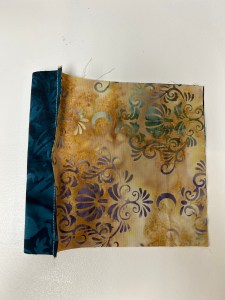
Step #2: Turn it right side out and ensure the ends of the 8″ rectangle form a small ‘border’ on each end. (I don’t measure, I just estimate that they are close to the same width).
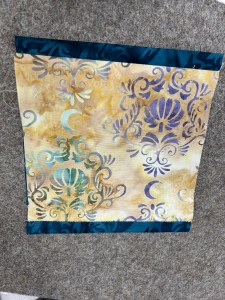
Step #3: Fold over one of the edges, measuring 1 3/4” up. Overlap the second side, folding down 1 1/2“. Clip into place and sew the ends. (Yes, they will overlap).
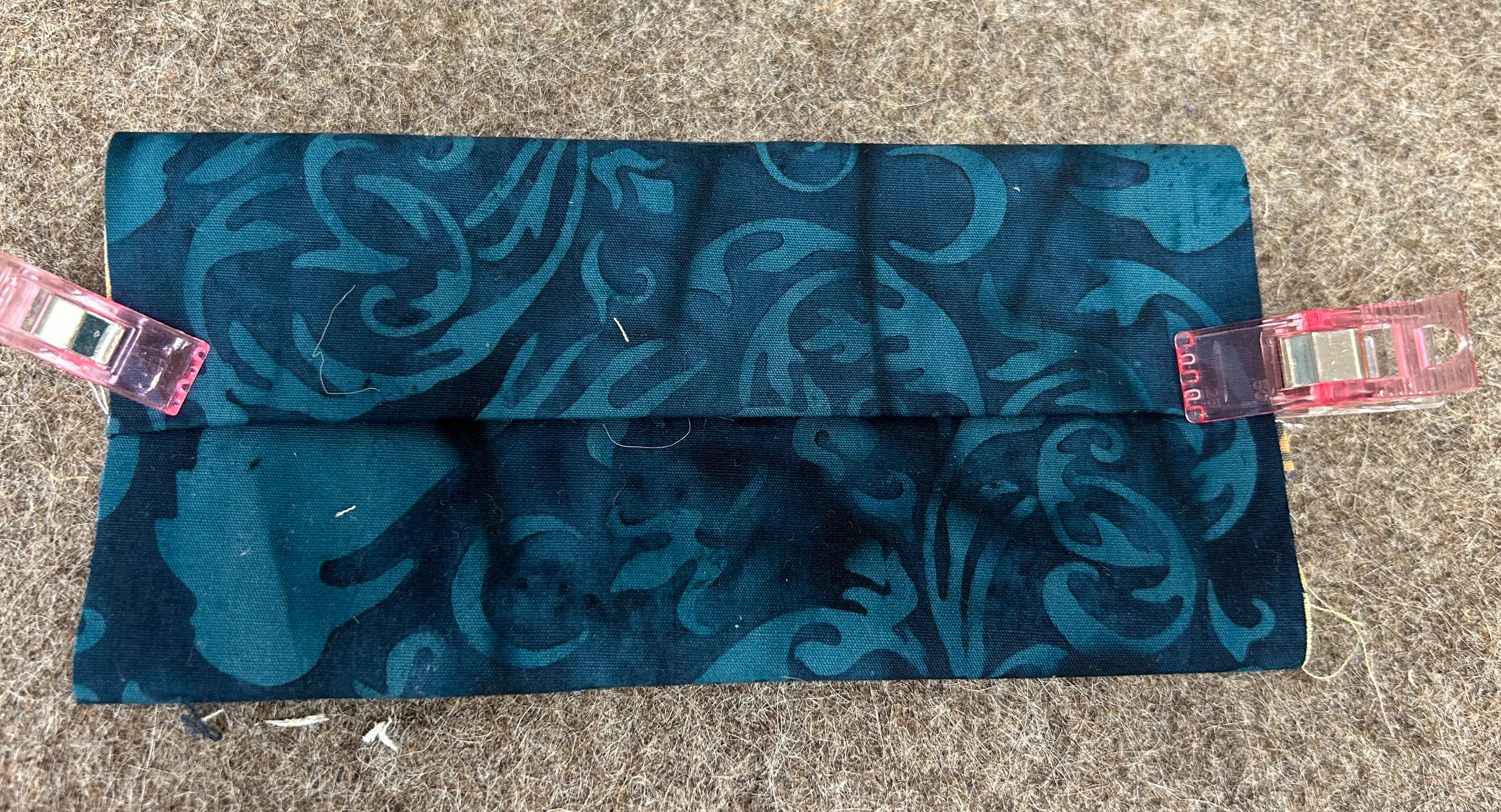
Step #4: Sew the ends, using a 1/4” seam.
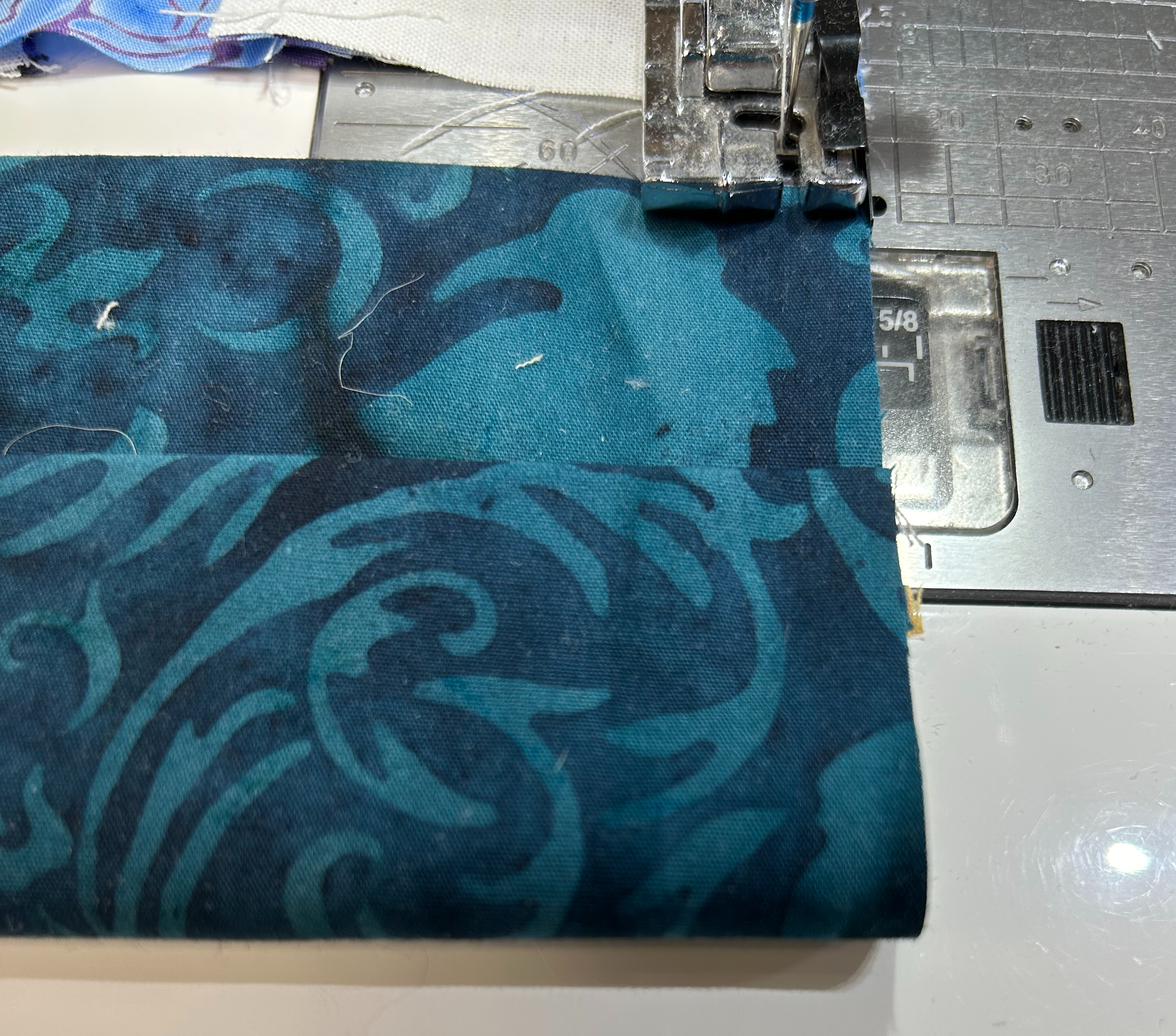
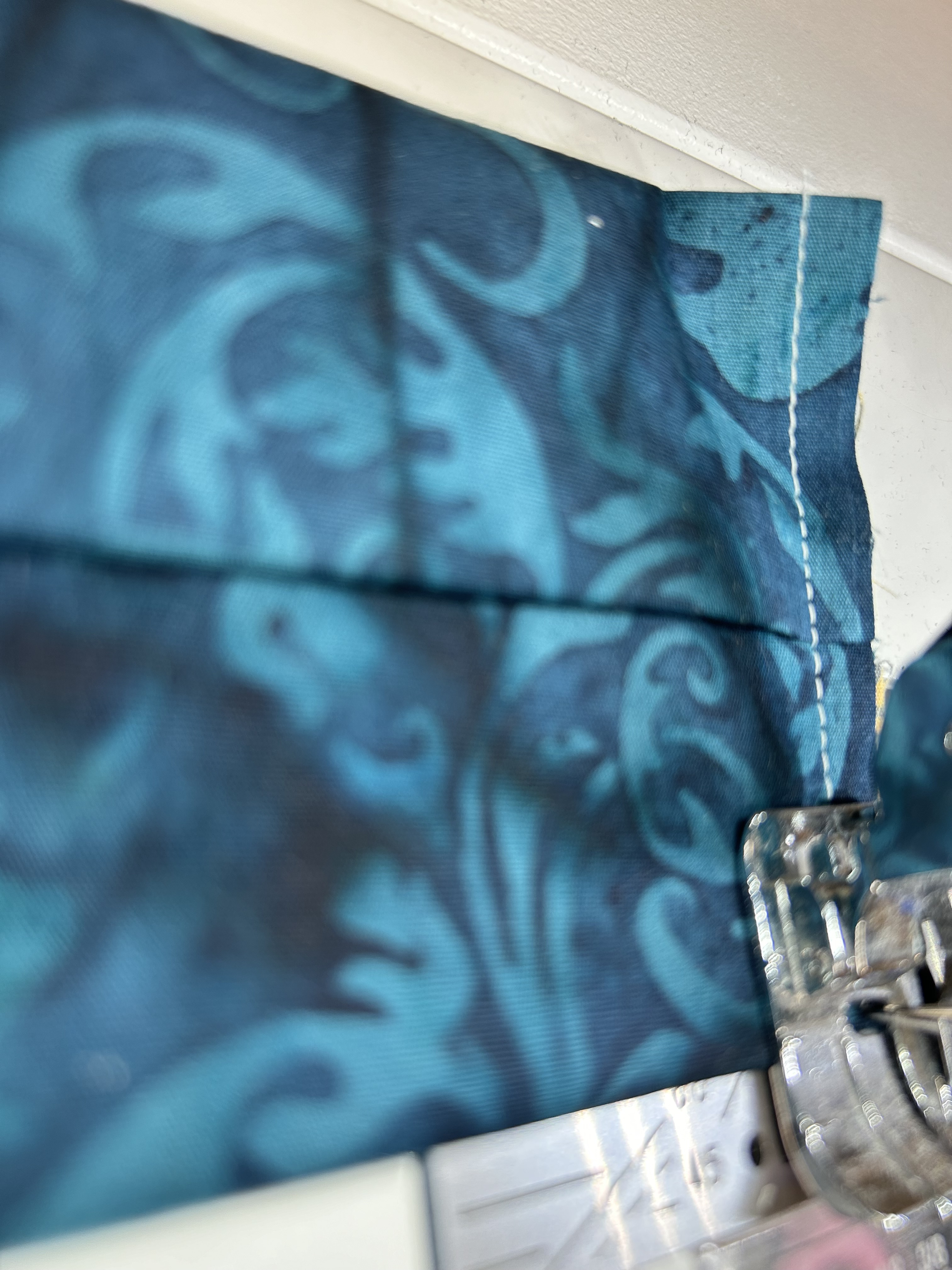
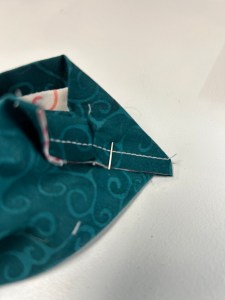
Step #5: Make boxed corners. Fold as in the picture and sew a line 1/2” from the corner. Trim boxed corners and turn right side out.
I used tissues from Dollarama.

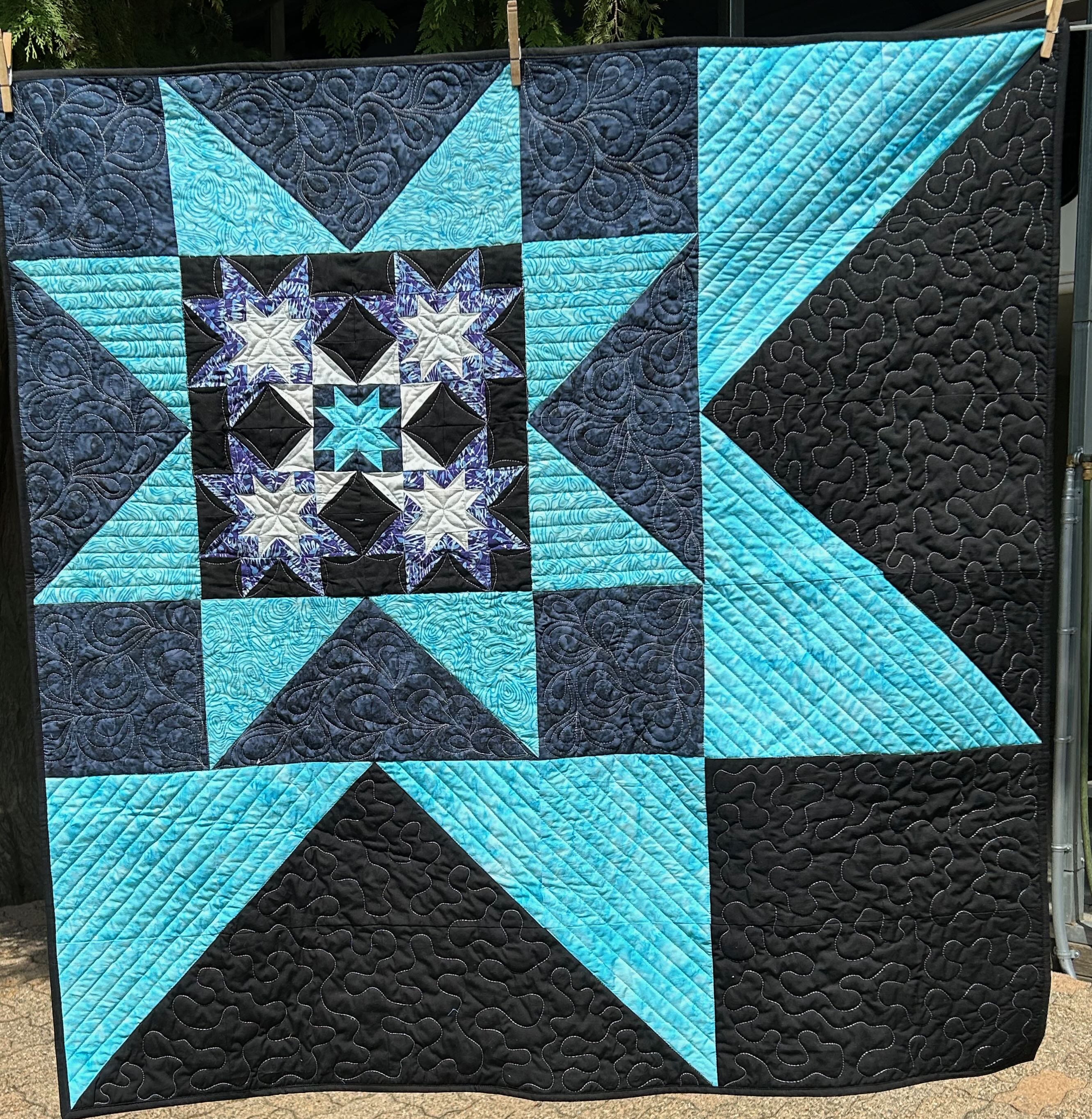
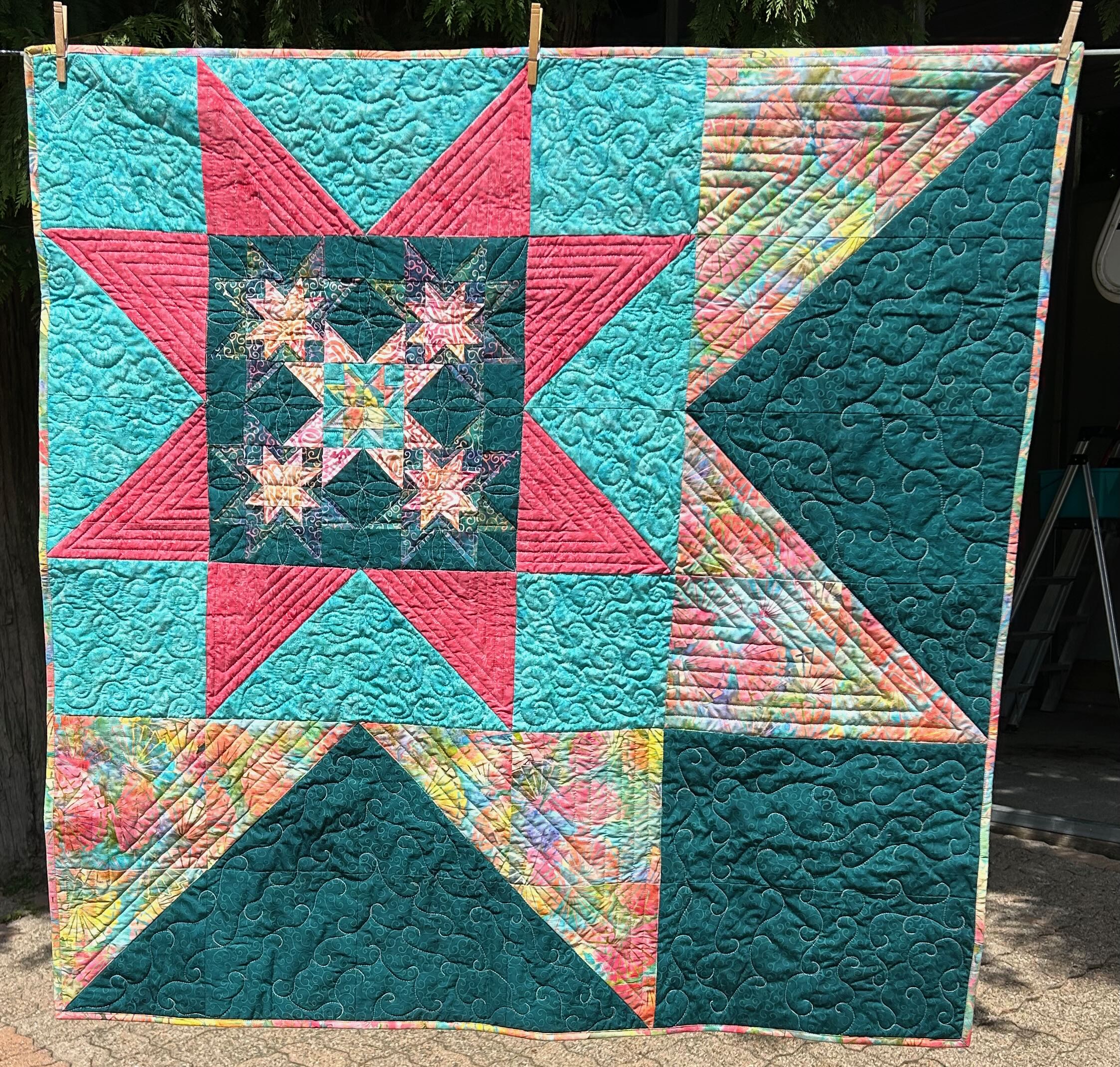
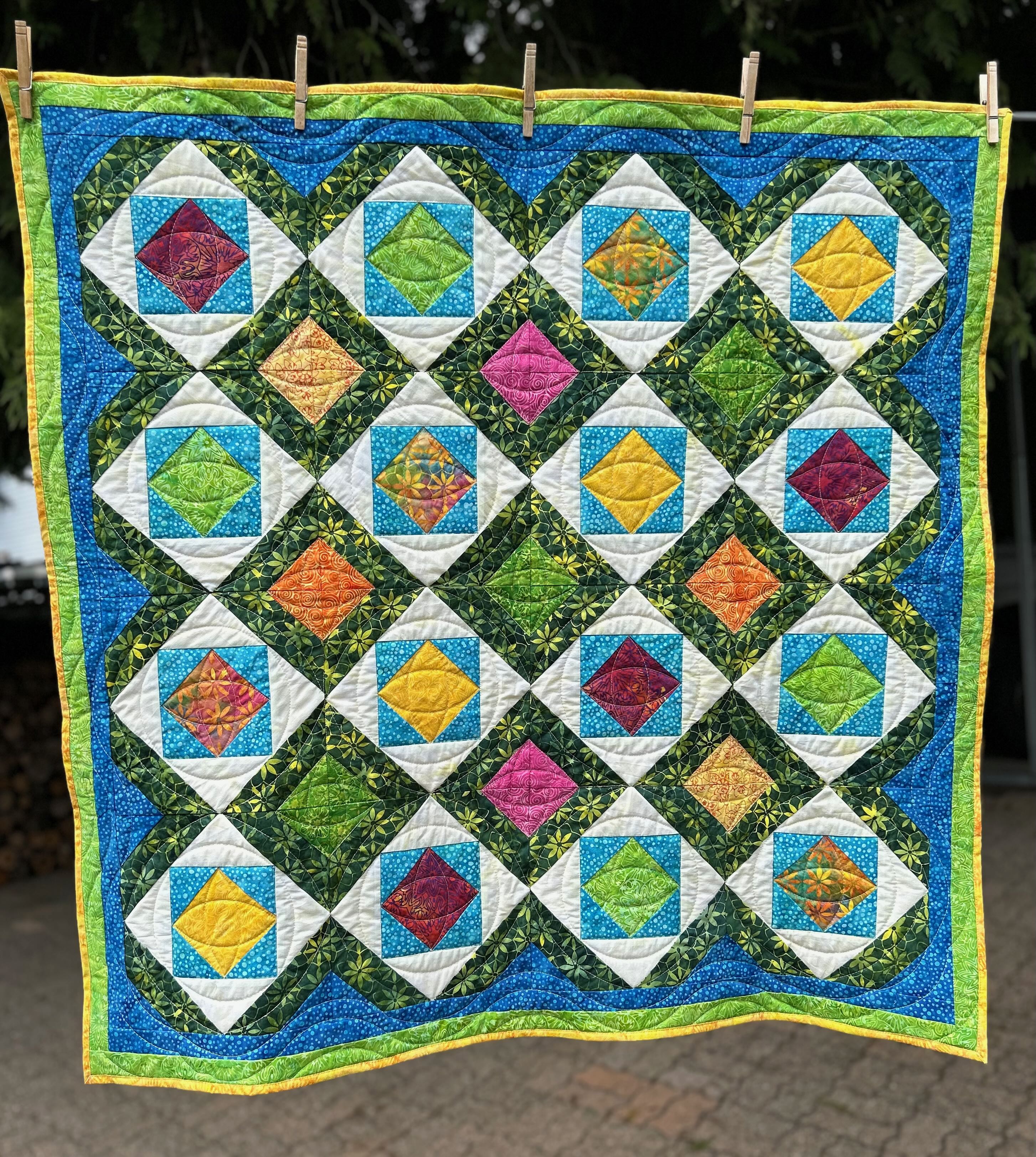
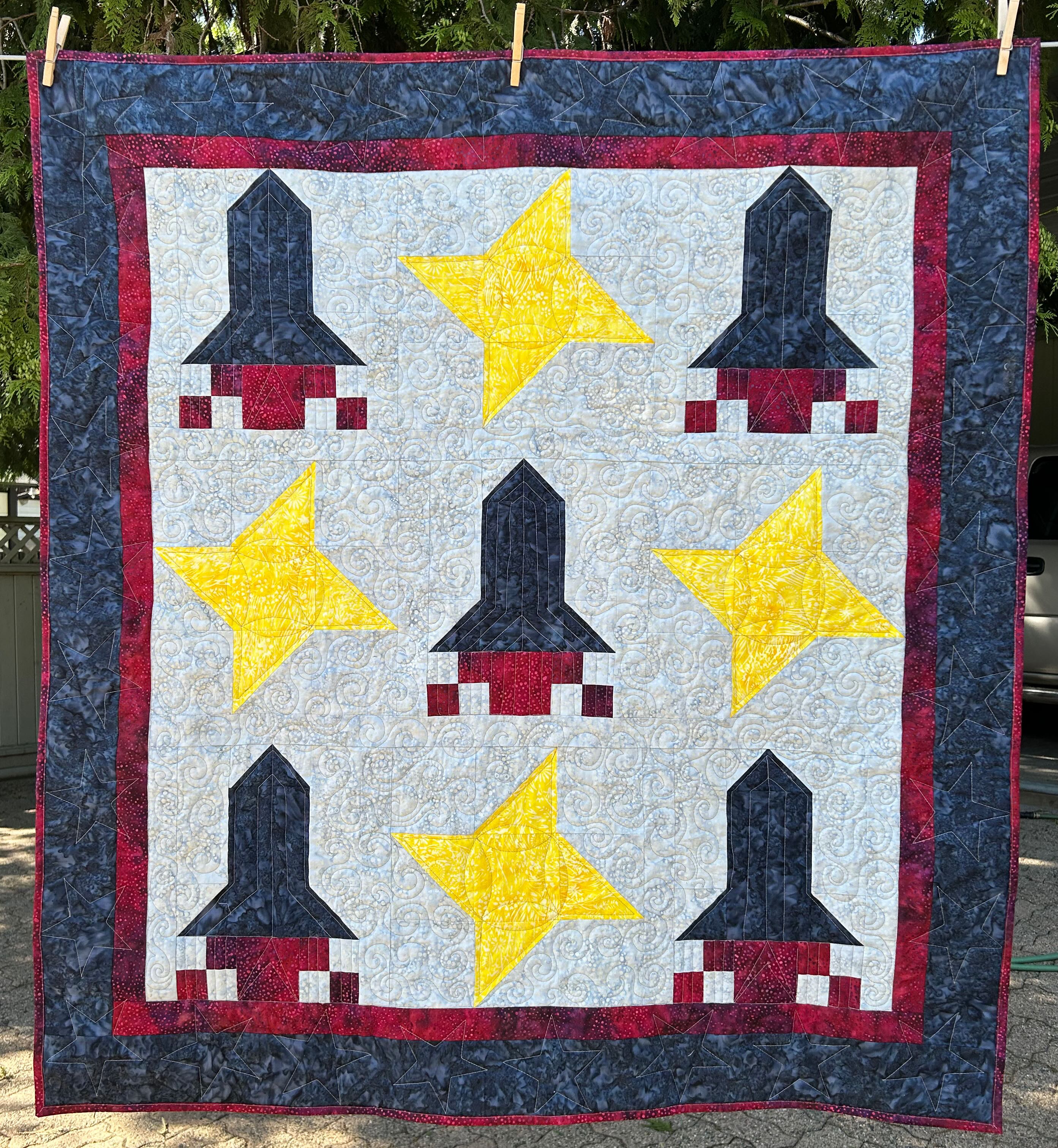
Quilt Stats:

Other Kindnesses

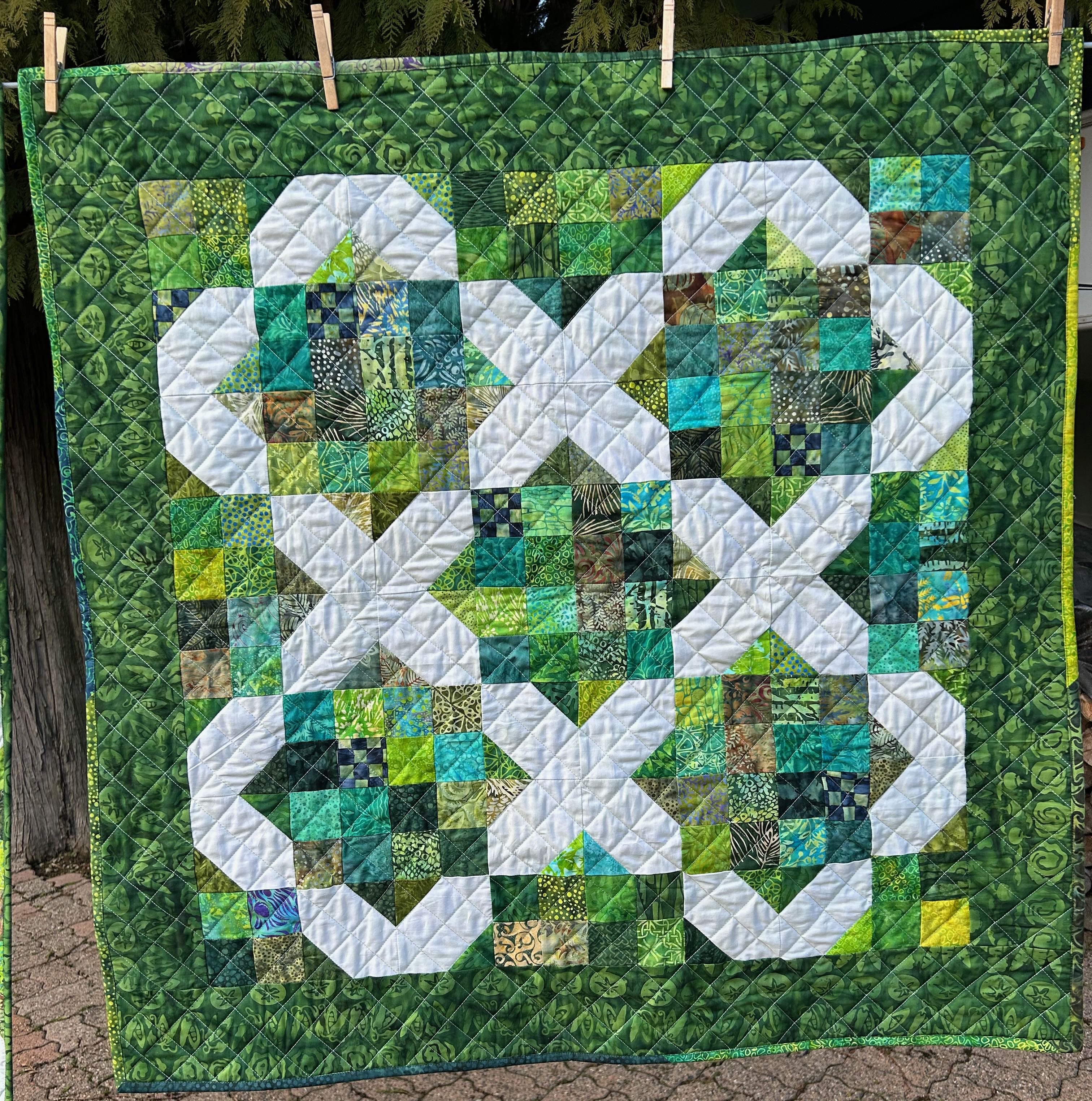
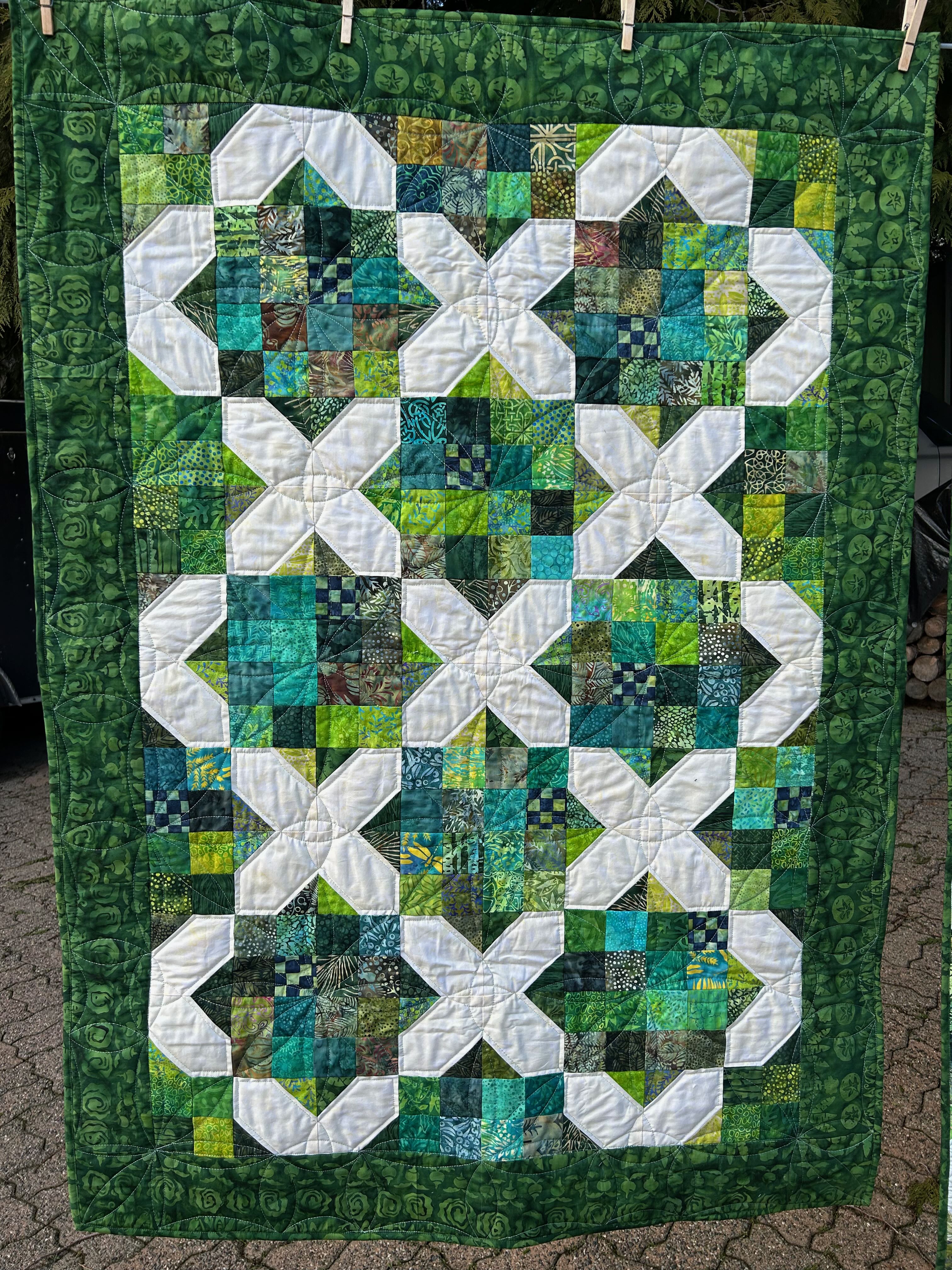
Boundary Bay Quilting Guild accepts donations for baby quilts, comfort quilts and Quilts of Valour. I regularly donate to the baby quilt and comfort quilt committees. I make a lot of quilts and it’s nice to know that they are going someplace where they are loved. Here are a few that I’ve made in the last while:
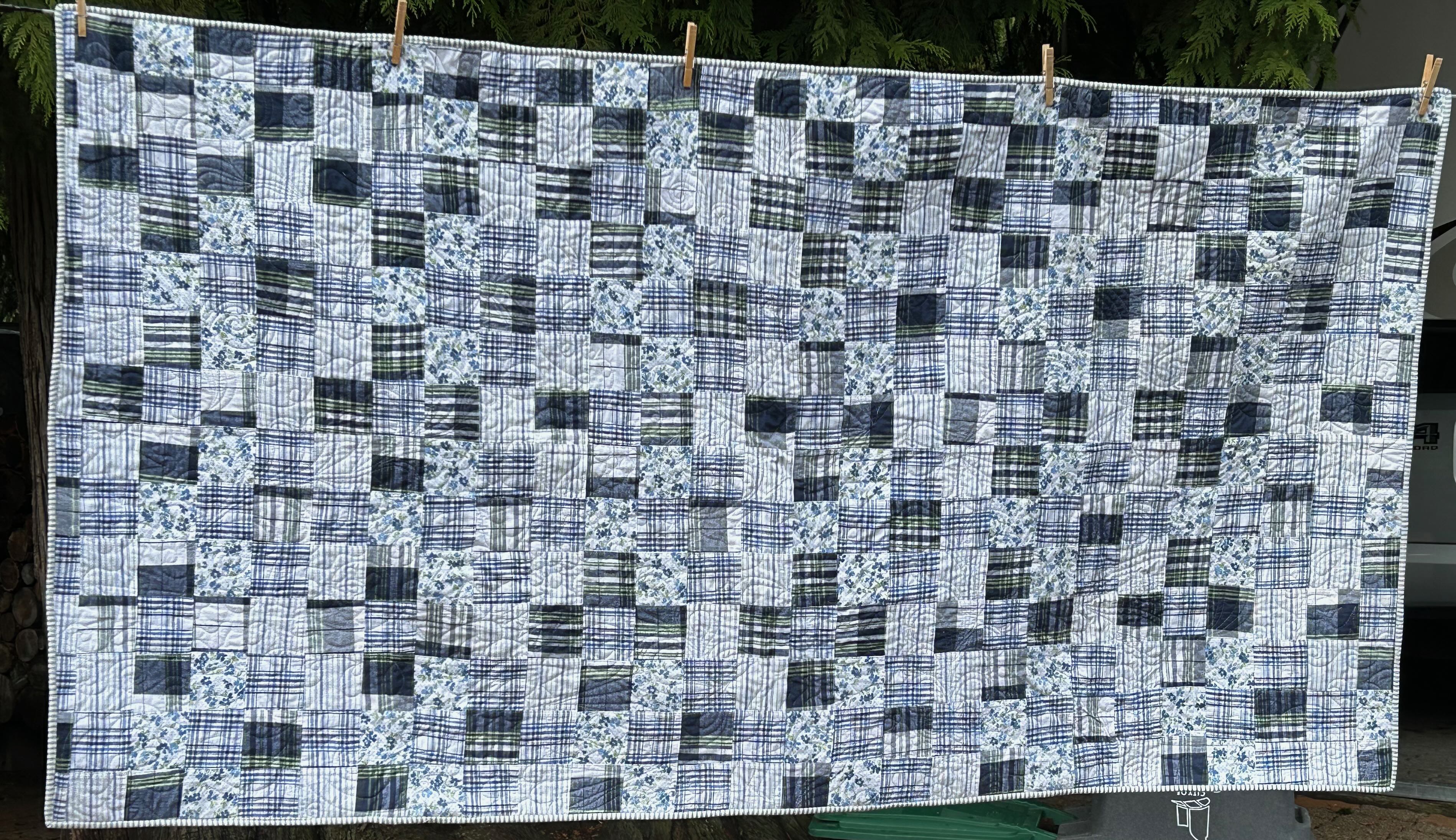
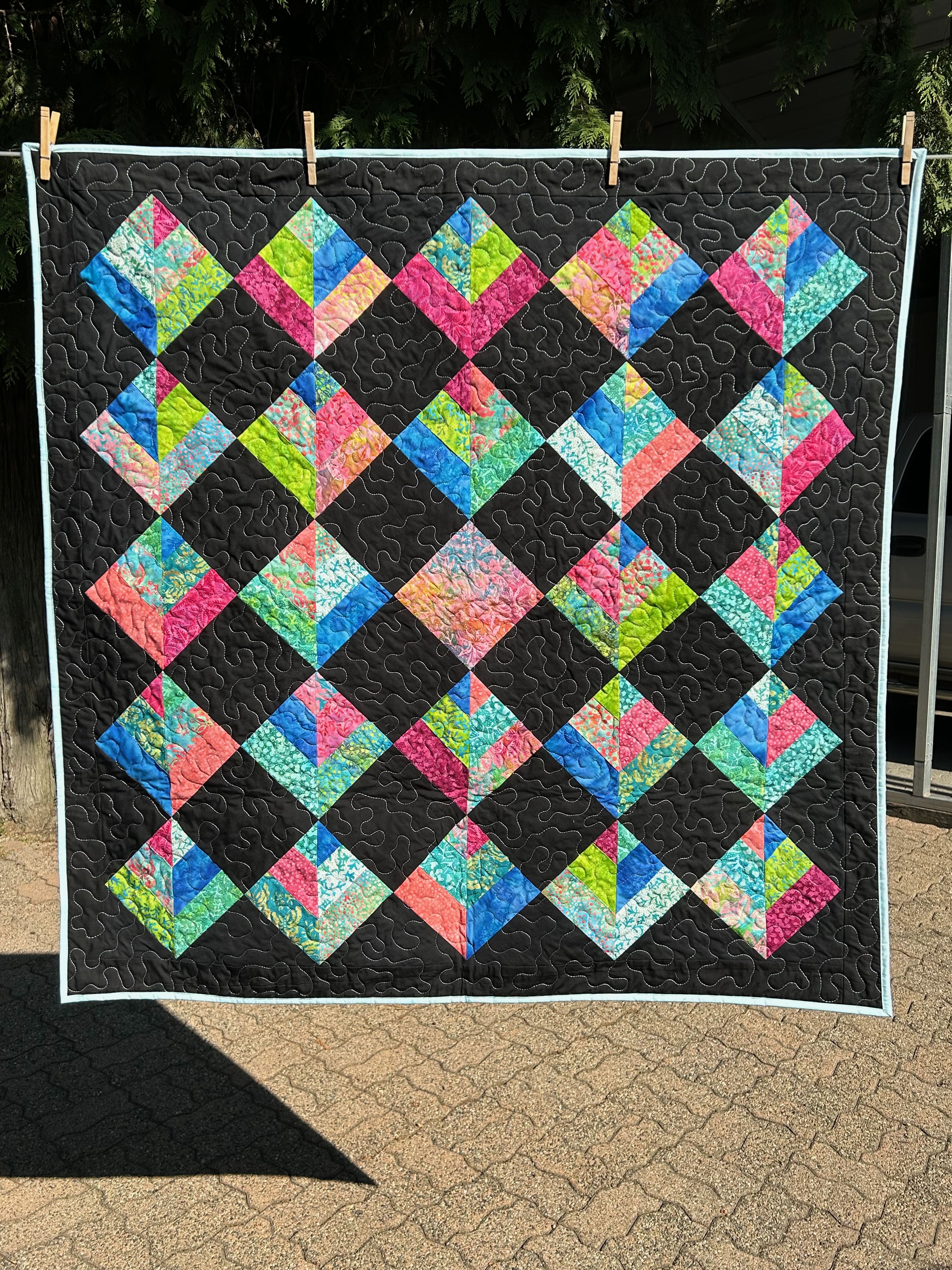
At Christmas time, the guild collects placemats for meals on wheels. I make these throughout the year, using left-overs from quilts. I simply put some Christmas fabric on the back and the recipient will have a reversible placemat. Sorry, no pictures.

Bee sure to see all the Kindness of other bloggers

Monday Sept 23

Tuesday Sept 24

Wednesday Sept 25

Thursday Sept 26th

Don’t Forget

Here is my Affiliate link: https://glnk.io/mzmmj/quiltinggail 

For September, there is no 20% off an order of $50 or more. However, MSQC is having fantastic sales this month and if you use my Affiliate link, I will still receive a small commission.

Thank you for your support!

One who sleeps under a quilt is covered by LOVE!

Linking to:  

Grey and Dull Sunday

The perfect day to stay inside and quilt … or write blog posts!

I have another UFO finish!

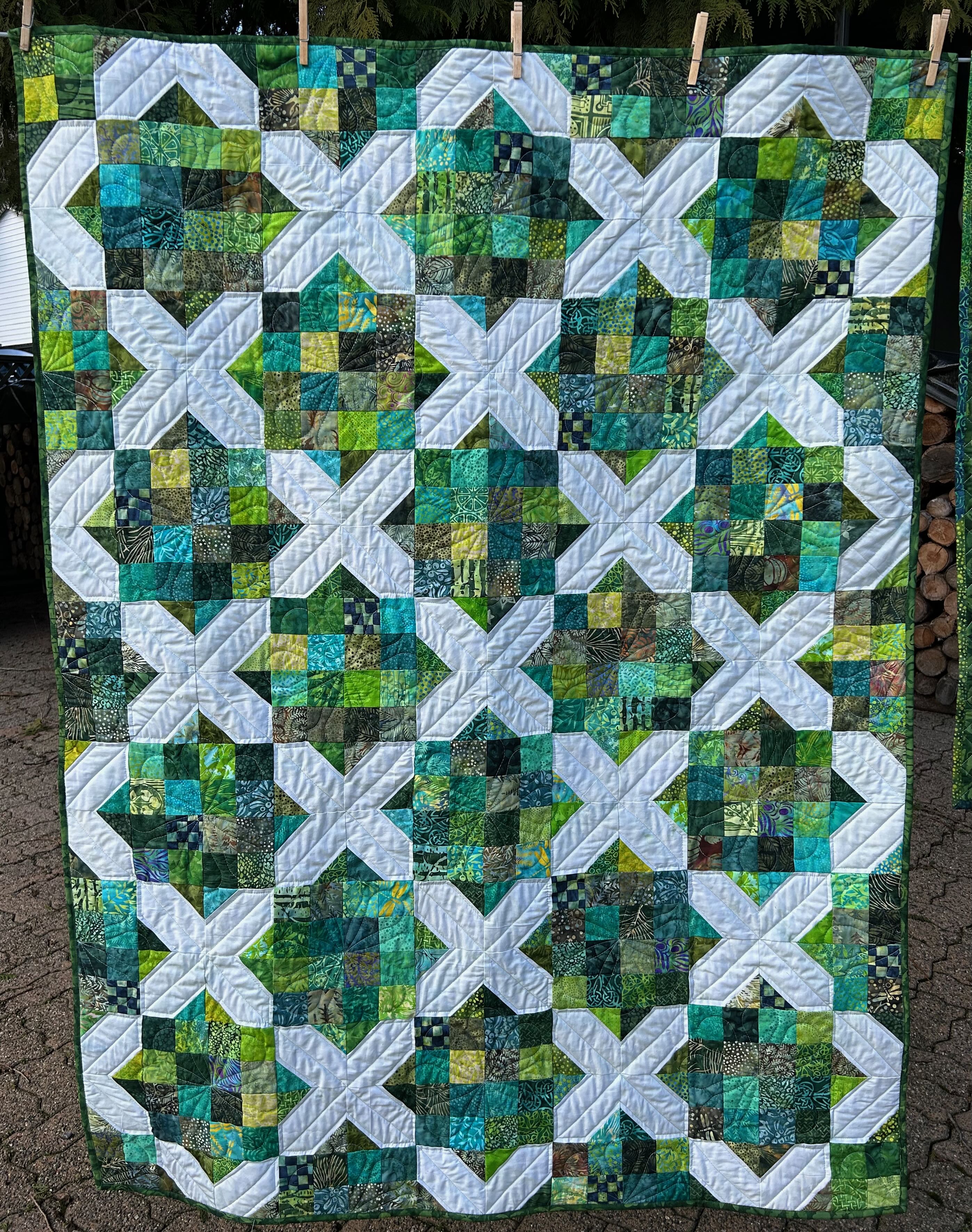
This is my Holiday Seclusion Mystery … scrappy Island Batik fabrics (from Stashbuilder bundles) and Island Batik solid grey. Graffiti or Wild quilting was done … lots of different motifs, swirls, feathers, flowers, vines, McTavishing, pebbles … It was SEW fun to quilt! Hobbs fusible batting was used. I LOVE it! No shifting at all. This will be a comfort quilt, so I backed it with a grey flannel … so cosy!

Yes … I made this bigger … However, I started planning the design with 9″ blocks and quickly realized that most people would not want to make a quilt with smallish pieces in such a short time frame. I then switched the pattern to a 12″ block for the mystery. But of course, I didn’t want the work I had done to go to waste, so I just continued piecing the smaller blocks. Same pattern, different size!

For Instructions on the Holiday Seclusion Mystery, see the Holiday Seclusion Mystery tab at the top of my blog HERE.

Continue reading

Quilter’s Strip Poker

Strip Poker
S T R I P   P O K E R

Did the title get your attention?  In a previous post, I mentioned that we played strip poker at the quilting retreat.

OK >>> OK >>>  You keep your clothes ON!!!

Several people asked me how we play it. Here’s how:

First: you instruct everyone to bring anywhere between 5 and 8  WOF 2½” strips. Obviously, the less strips, the faster the game. Continue reading

Travelling Jewelry Bag

When I was in Newfoundland in the spring, my sister-in-law wanted to know how to make a travelling jewelry bag.  I had made one for her about 30 years ago.  Her daughters were always borrowing it and she thought it would be good if they each had their own.

IMG_1975

Continue reading

Quick Machine Binding Tutorial

For awhile, I’ve been saying that I would post a tutorial for binding using your machine.  No hand sewing.  I’ve highlighted the “Quick Tips“.  Some of the steps will be familiar to you, some may be totally “what???” … sew … here goes:

Step 1: Cutting the Binding

Figure out the circumference of your quilt.  (Measure both sides of your quilt, multiply that number by 2),   Add 14 – 20″ to the circumference.  If you want – you can use this handy app from Robert Kaufman.

IMG_1287Decide on the width of your binding.  If there are points on the sides of the quilt that I don’t want to lose, I cut my binding at 2″.  If there isn’t, I cut it at 2 1/4″.  For this tutorial, I cut the binding at 2 1/2″ because it’s flannel on both sides and a little thicker than most quilts and I don’t want to have to fight with it.

IMG_1292Step 2: Joining the binding

Join binding into one long piece with a 45 degree angle.  You can mark it or “eyeball” it.  Chain each piece of binding to the next.

IMG_1294

Quick Tip #1:  Do NOT cut the chains apart (unless you want a huge tangled mess.)  Leave the chain joined together.  I know this is not the way most people do it – but try it!

IMG_1295

Quick Tip #2: Do NOT fold binding in half

Do NOT press the binding in half

Your quilt is about 1/16th of an inch thick.  By folding and pressing the binding in half – you are forcing the binding to fold in a position that is actually pulling it to one side.  It will naturally lie smoother if you do not press it in half.

Step 3:  Sewing the binding onto the quilt

Fold the binding in half (DO NOT press the binding).

Leave approximately 8-10″ of a tail on the binding.  Start attaching the binding to the BACK of the quilt. Use a ¼” seam.  Sew about 3″. Cut the thread.  Check to see where the fold lands on the front.  It should cover the stitching, but you don’t want a lot of extra binding with no batting in it.  On this quilt I moved the needle over to the left so it was a wide ¼” seam.  {Janome 6500 – needle position 3.0, using the ¼” foot}

Quick Tip #3: ***   It’s a good idea to put a pin in approximately 16″ from where you started so that when you sew around the quilt, you leave a good amount of space for joining the binding. ***

When approaching the corner, stop ¼” from the edge.  (First picture below). Cut the thread.

The middle picture shows me folding the binding up at a 45 degree angle.  Place a ruler on the side of the quilt and line the binding up along the ruler.  This will help to ensure a perfect 45 degree angle.  The last picture above, shows the binding folded down.  Begin sewing approx. 1/8″ from the end and sew to the next corner.

IMG_1304Quick Tip #4As you reach the joined edges of the strips, use a pair of scissors and trim at approximately ¼” from the seam.

Finger press the seam open (sometimes it helps to hold this in place with a pin)

Continue to sew binding on, stopping approximately 16″ from where you started.


Step 4: The final joining of the binding

Pin the original tail in placeIMG_1313


IMG_1310 Quick Tip #5Take a piece of binding and place the width of it over the tail – having ~ 1/8″ over.  (This helps the binding to be “tight” and not loose and sloppy when you sew it on the quilt.

You can measure this if you want … it’s the width of the binding, subtracting 1/8″


IMG_1311  Bring the left over binding down to the bottom of the overlapping width of binding.  Trim the left-over binding at the bottom edge.

Join the binding together with a 45 degree seam (as you did when originally joining the binding strips).  Finger press seam open and finish sewing the binding onto the quilt.


Step 5: Clipping the Corners

IMG_1320

Quick Tip #6:  On each of the corners, fold back the binding and clip the quilt top, batting and backing.  It’s a small clip, but it makes the world of difference when you are turning the corner of you binding!

***  Just be careful to not clip the binding  ***


Step 6: Press the Binding

IMG_1318Quick Tip #7: On the back side of the quilt, press the binding away from the quilt, ensuring that you do not press a fold in the binding.


Step 7: Glue the Binding in Place

I use Elmer’s School Glue (diluted 1:1 with water).   Start at a corner and on the right side of the corner (middle picture) run a stream of glue on the binding.  It tends to “bead up” as you can see in the picture.  Fold the binding over and iron in place.  IMG_1326

Ensure that you fold all of the corners in the same method. This will ensure that you don’t have a “bump” as you sew the binding down .


Step 8 Sewing the Binding onto the Front

With the binding glued into place, this step is simple, simple, simple!

You can use a variety of stitches to finish the binding.  When I first started sewing binding on by machine, I used a serpentine stitch.  It’s like a curvy zig-zag.  Other choices include a zigzag, a blanket stitch and a straight stitch or ??? Your choice.  IMG_1329

Step 9 Congratulate yourself – your binding is on and DONE!!!